
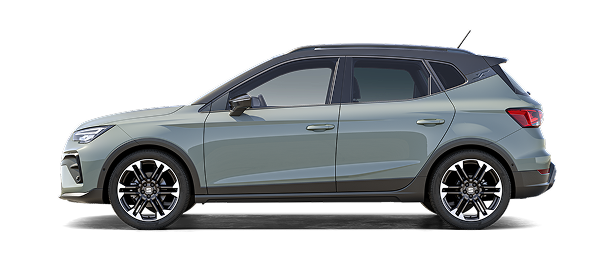
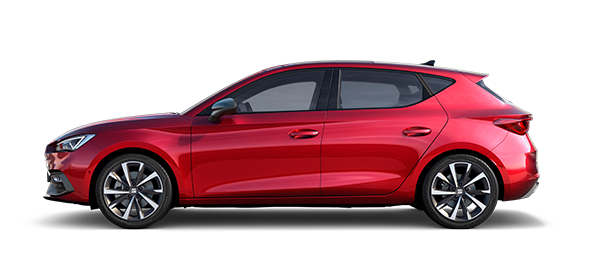
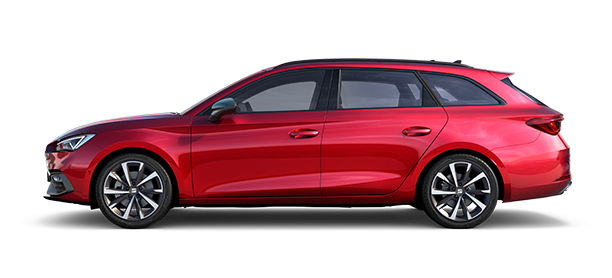
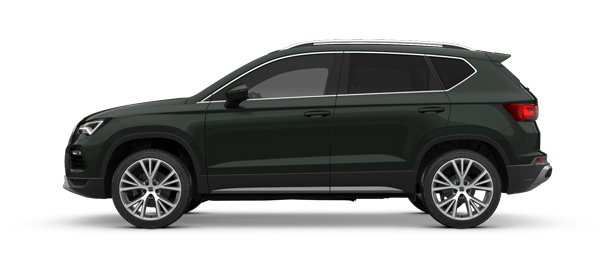

Browse available stock of SEAT models

The drag coefficient is often expressed as its scientific abbreviation: Cw. It’s usually used in connection with a car’s aerodynamic properties. The smaller the Cw value, the more streamlined the car is built.
Various factors influence the drag coefficient, such as the body style (saloon car, estate car or hatchback). Small gap and joint dimensions reduce turbulence and favour a low drag coefficient. Even the underbody design has an effect.
The exact amount of air resistance acting on a car can only be calculated when the drag coefficient and the end face of the motor car (the projection of its front view on a surface) are specified. The beneficial body design and small gap and joint dimensions that are typical of SEAT cars reduce turbulence, which promotes a low drag coefficient and consequently lowers fuel consumption and costs.
 Book a test drive
 New Car search
 Find a Dealer
 Request a Quote
