
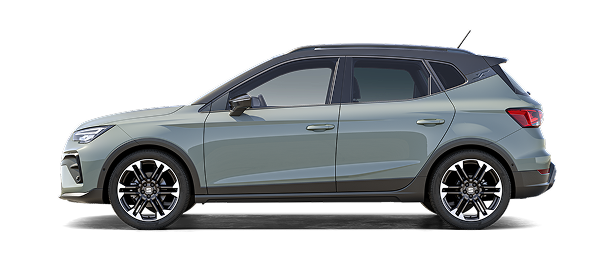
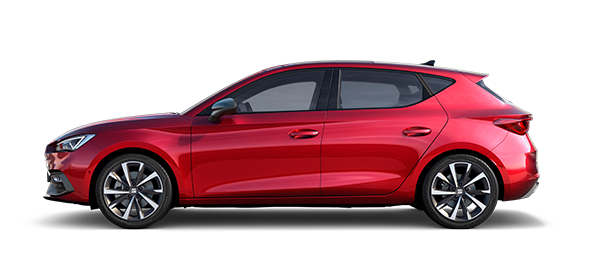
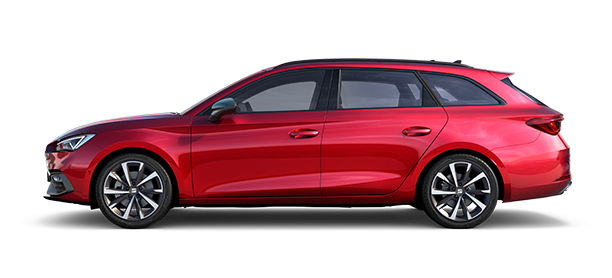
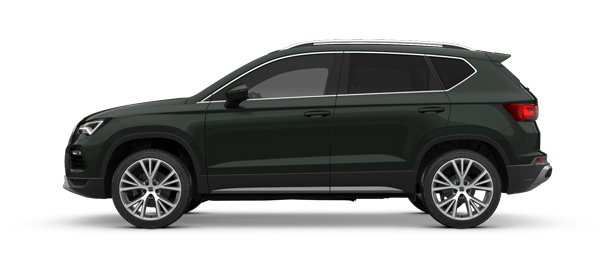

Browse available stock of SEAT models

In certain driving situations, such as when cornering, different wheel speeds occur. For example, when taking a corner, the wheels on the outside of the bend rotate faster than those on the inside of the bend. A differential compensates for these differences in wheel revolutions between the wheels on driven axles. Put simply, the wheels that have to cope with the greater number of wheel revolutions are allowed to freewheel to compensate for the difference in revolutions.
A differential lock uses electronic signals to briefly interrupt the function of the differential mechanically. In addition, it connects the respective wheels to ensure that up to 100% of the drive power is directed to the wheel that has the best grip.
The exact amount of air resistance acting on a car can only be calculated when the drag coefficient and the end face of the motor car (the projection of its front view on a surface) are specified. The beneficial body design and small gap and joint dimensions that are typical of SEAT cars reduce turbulence, which promotes a low drag coefficient and consequently lowers fuel consumption and costs.


 Book a test drive
 New Car search
 Find a Dealer
 Request a Quote
