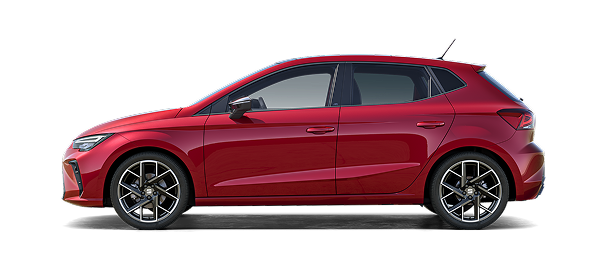
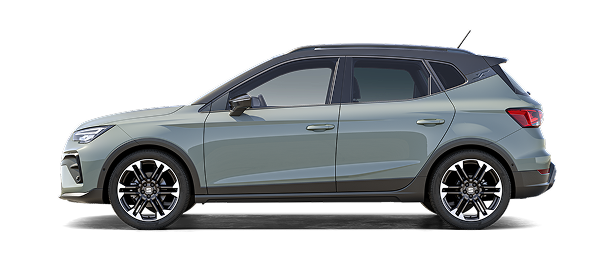
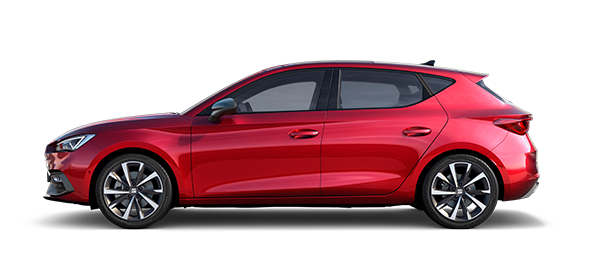
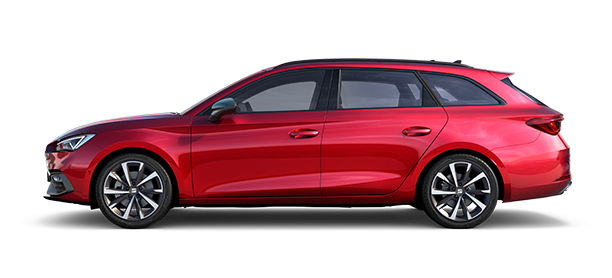


Browse available stock of SEAT models

At SEAT, we are committed to innovation in electrified mobility. Our plug-in hybrid vehicles combine electric and combustion power and incorporate technologies such as regenerative braking. This system, which converts wasted kinetic energy into useful power, not only boosts the vehicle's efficiency but also transforms your everyday driving experience. So, what exactly is this technology, and how does it enhance your driving experience in a SEAT? We explain it all in simple terms.
Regenerative braking is an innovative system that allows hybrid cars to recover energy usually lost when braking. In a conventional car, the vehicle’s kinetic energy is turned into heat through the brakes and wasted. However, SEAT’s e-HYBRID plug-in hybrids capture that energy, convert it into electricity, and store it in the vehicle’s battery for future use. This regenerative braking system not only improves the vehicle’s efficiency but also significantly reduces brake wear and tear, extending their lifespan and lowering maintenance costs. The ability of hybrid cars to use regenerative braking is key to their enhanced performance.
In SEAT hybrids, when you release the accelerator pedal or press the brake, the electric motor acts as a generator. Instead of using energy to drive the car, the motor takes advantage of the vehicle’s movement to produce electricity, which is then stored in the rechargeable battery. This may help reduce fuel consumption and associated CO₂ emissions, depending on the model and driving conditions.
Regenerative braking also adds extra resistance when slowing down, enabling smoother and more controlled deceleration. This is particularly useful in urban areas where frequent stops and starts allow for continuous energy recovery. Electric cars and hybrid cars benefit greatly from this system, which optimises energy efficiency. This constant recharging ability makes the technology especially valuable in congested city environments, helping to slow down the vehicle in a more efficient way.
Drivers often ask, "How does regenerative braking work?" The answer is simple: when you lift your foot off the accelerator, the vehicle starts converting kinetic energy into electrical energy. This electrical energy is then fed back into the battery to be reused, effectively extending the car's range.
Regenerative braking offers several key advantages for SEAT hybrid drivers:
Regenerative braking is particularly effective in city driving, where constant stops and starts allow for more energy recovery, keeping the battery charged and enhancing vehicle efficiency. This technology is also highly beneficial on downhill roads or stretches that require constant speed, helping maintain control without relying heavily on conventional brakes. This process, known as engine braking, makes urban driving easier and provides a greater sense of safety and control.
Drivers who have experienced regenerative braking notice an immediate difference in how the car responds when they release the accelerator. This small adjustment in your driving style can feel not only more comfortable but also more energy efficient. Hybrid cars and electric cars alike benefit from this technology, reducing overall fuel consumption and enhancing vehicle efficiency.
Explore our plug-in hybrid vehicles and discover the benefits.
Regenerative braking converts energy lost during deceleration into electric power. This energy is stored and reused to improve efficiency.
 Book a test drive
 New Car search
 Find a Dealer
 Request a Quote


